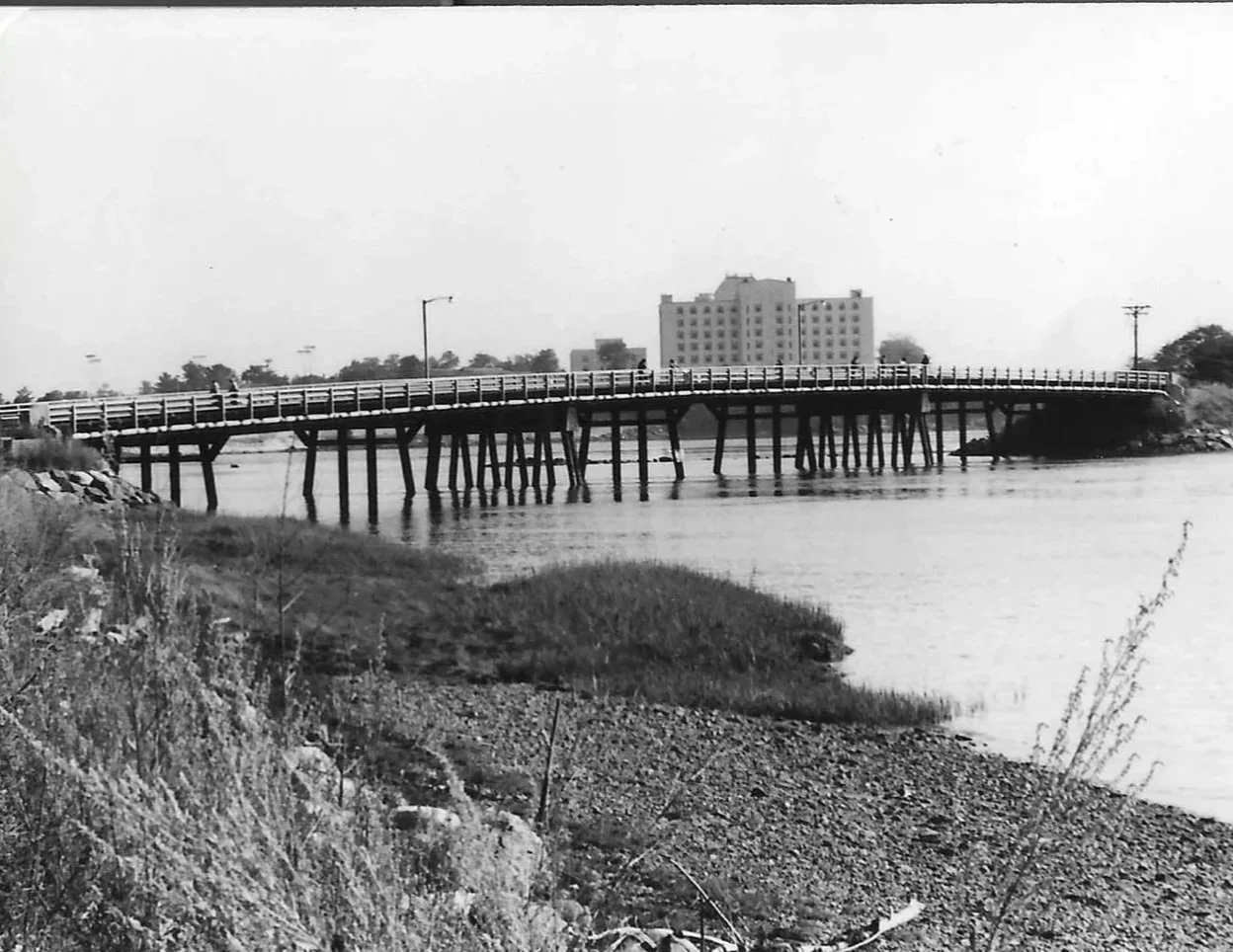
SHARPLEIGH ISLAND
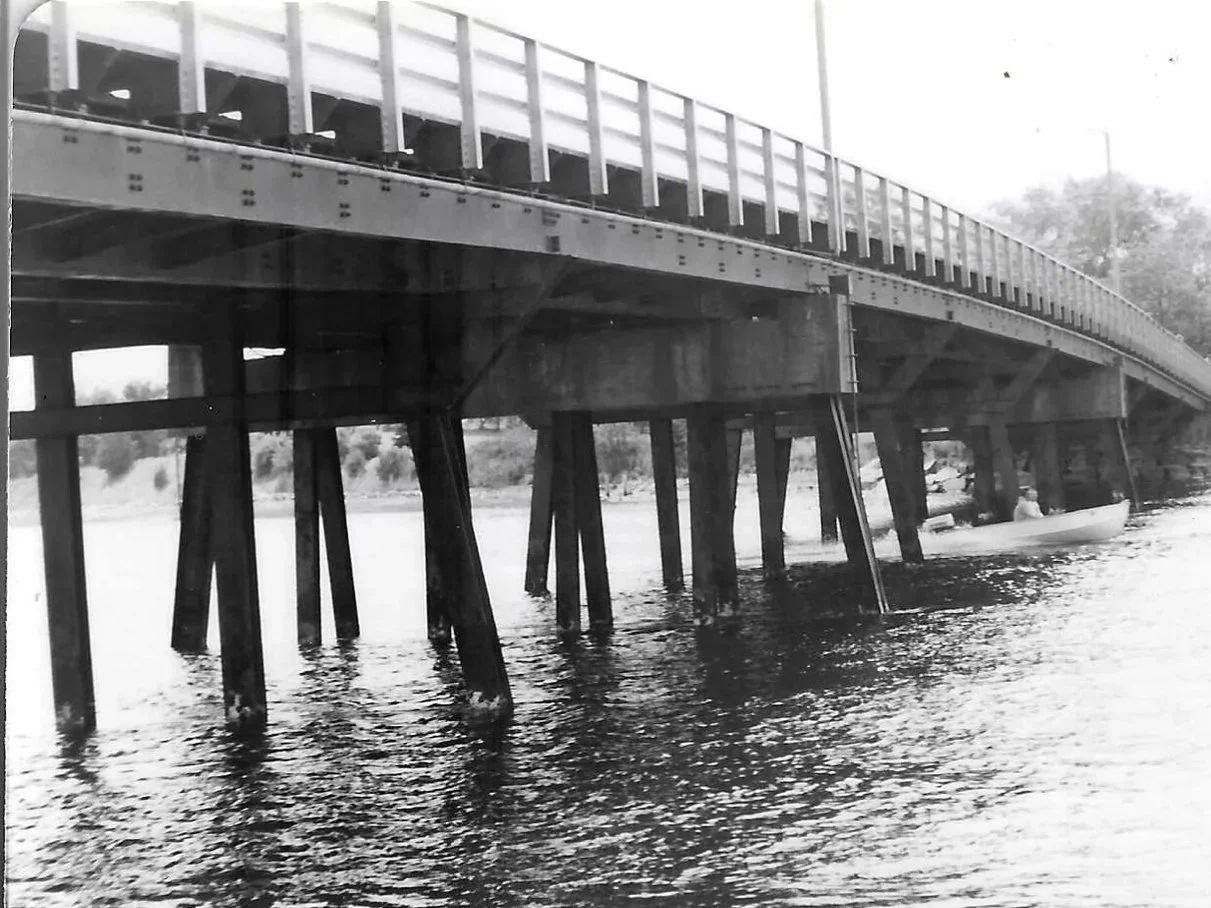
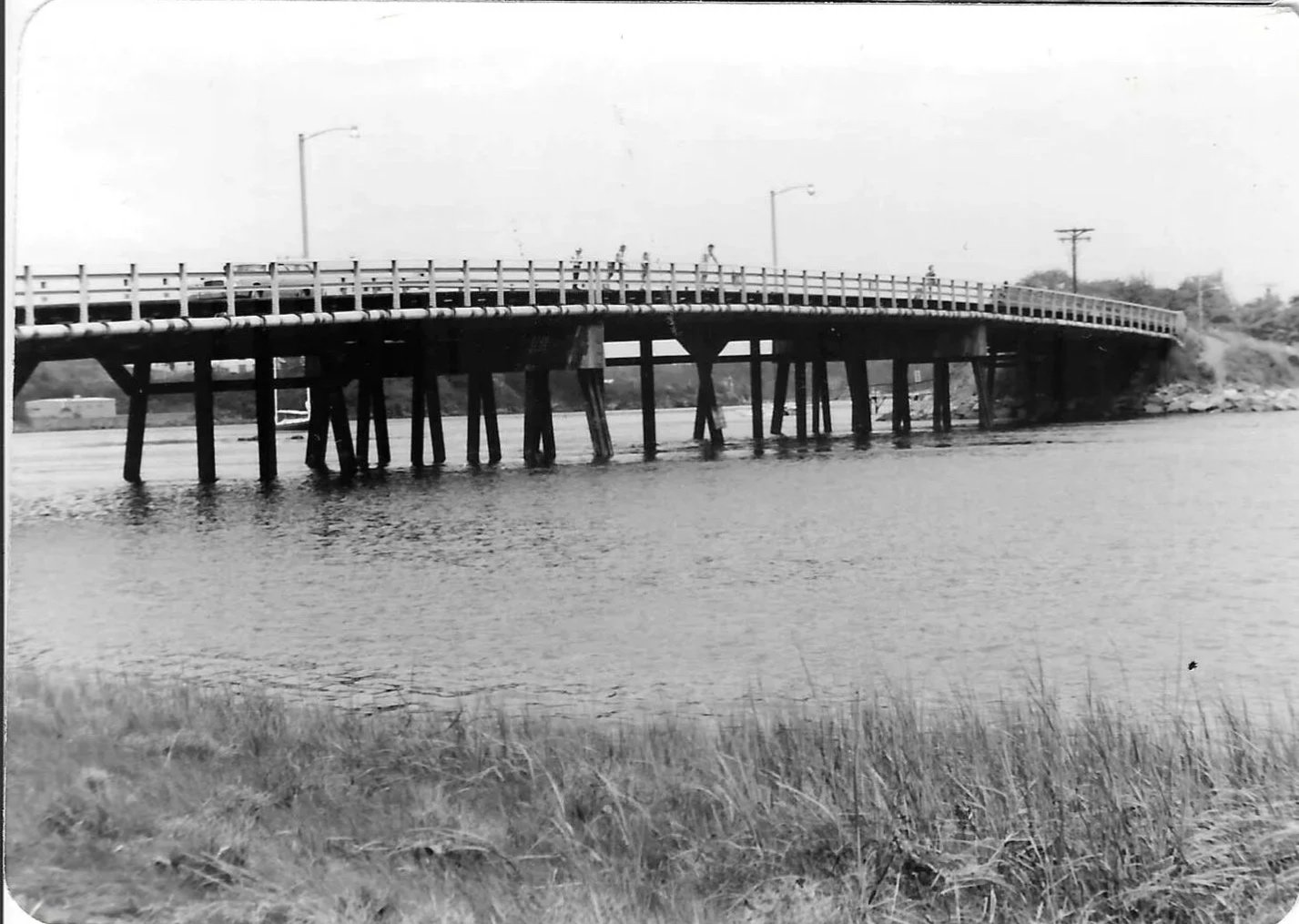
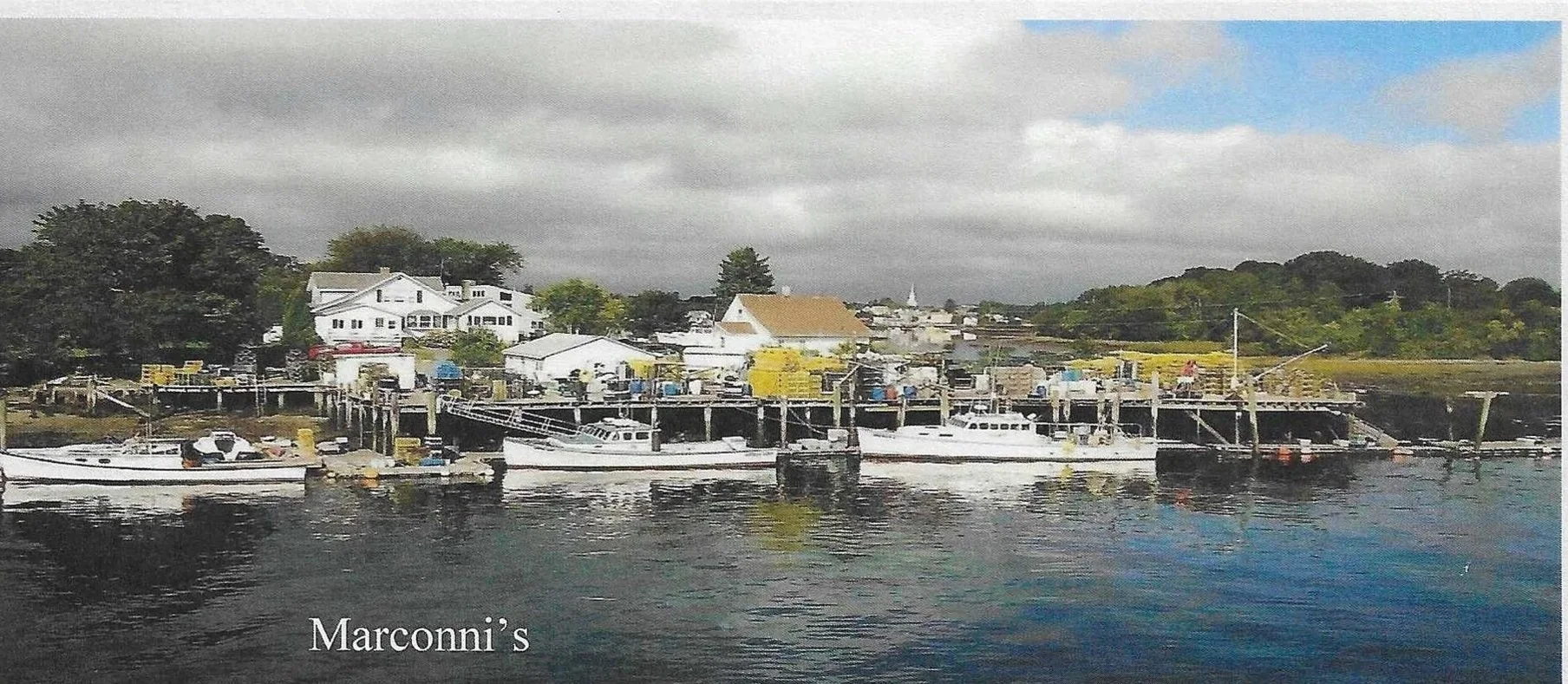
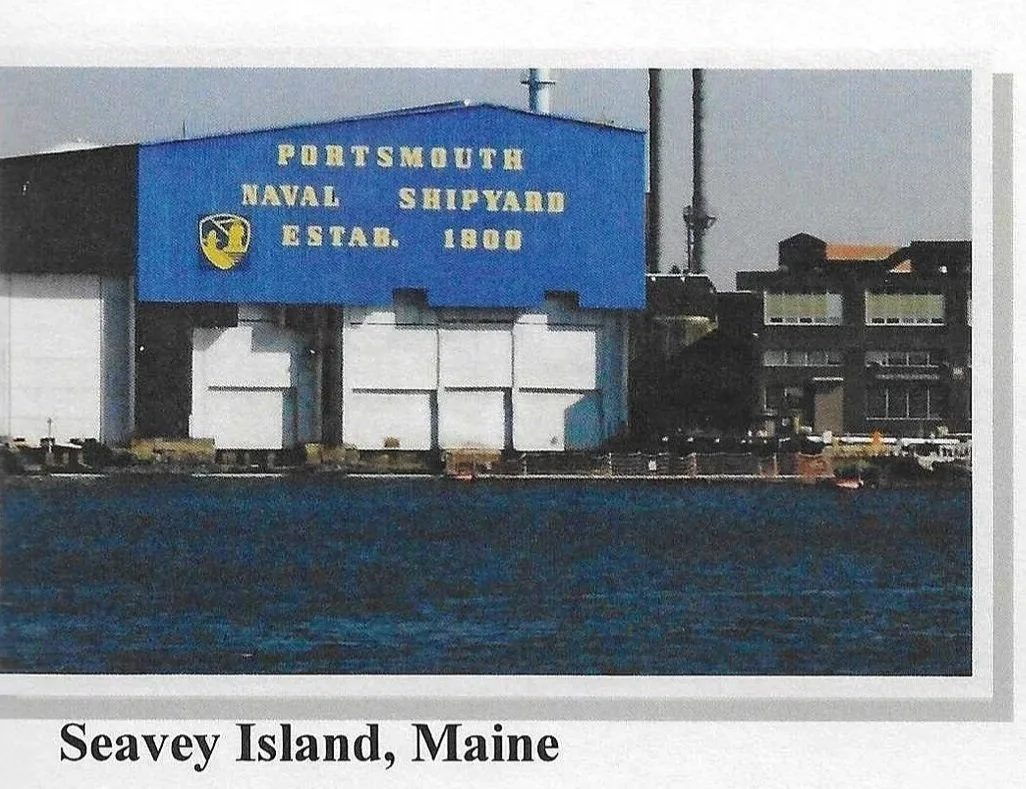
Shapleigh Island Wharf To Goat Island
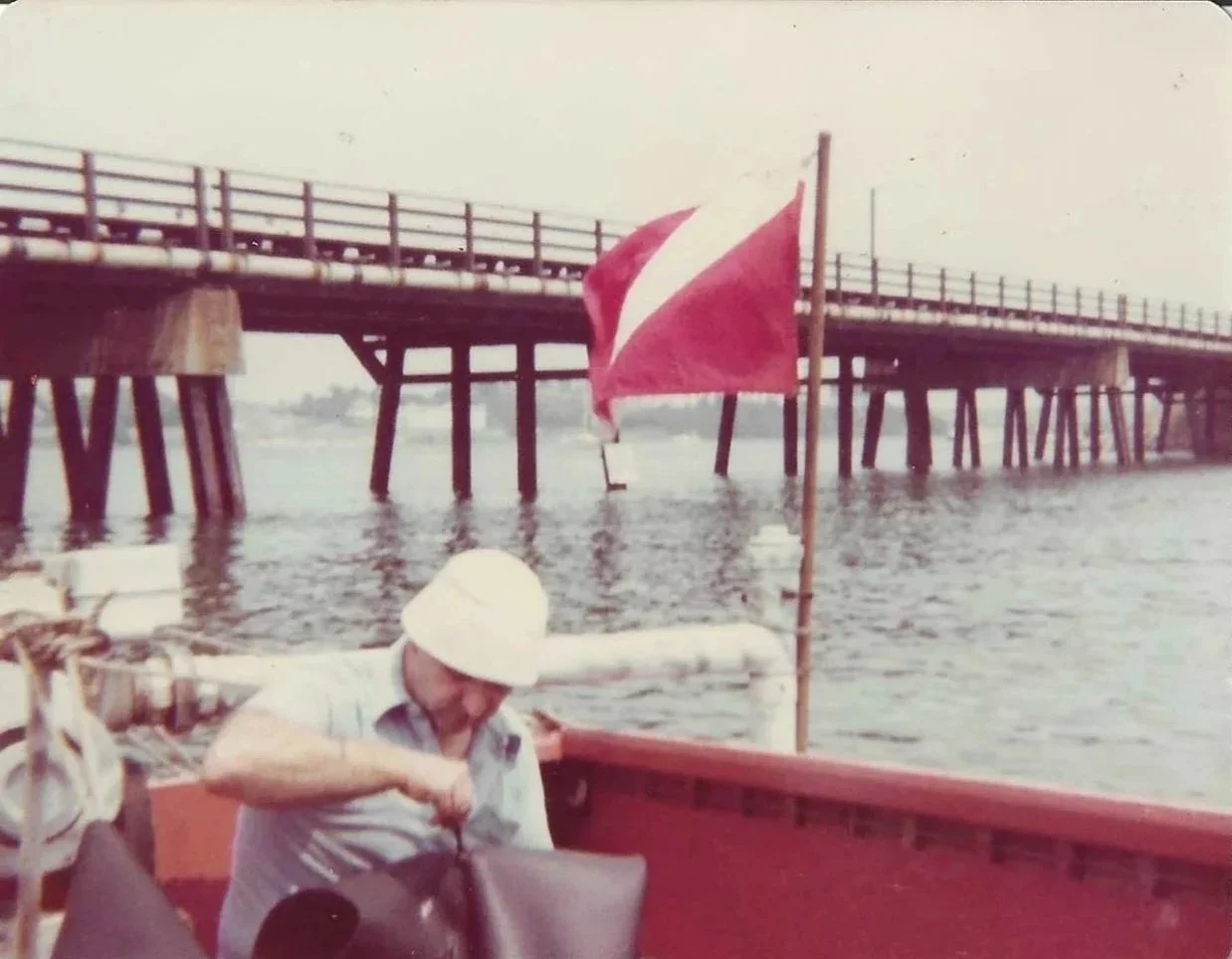
I taught John how to dive when he was very young. Together we would search for whatever objects we happened to have an interest in along the seabed in Ports mouth Harbor. Originally we searched for isolated scallop beds and eventually we found what are known as onion bottles. That soon became the focus of our adventures. We each became adept at identifying a variety of objects, including Koalin pipes which had been disposed of during the colonial period.
What followed was a ten year adventure and the focus of this book. It began on an average day of diving in the Piscataqua River. Occasionally, as was the case that day, we were joined by fellow diving enthusiasts and together we began exploring along the bottom heading toward what, we eventually learned, was an area known as the “Pool”. At that time we didn't know that there was also a second “Pool” area. We'll cover that later on in the book.
Eventually we learned to dive a few feet above the bottom and began a grid- style survey. Maintaining our lanes, we moved in an arm’s length formation, two me ters apart of each other’s outstretched arms. In calm conditions it was quite an easy feat. However, in such conditions such as those found at various times in the back channel of New Castle, it was not necessarily difficult; however, it was not easy either. Sections of the Piscataqua River do not sit still. It is rated as having the sixth swiftest tidal flow in North America.
Certain conditions between the Piscataqua River and the Portsmouth Harbor create a continuous time and tide bottom change. Any object lying on the bottom gets shifted quite regularly. Over time, other objects become buried by silt and other debris. Occasionally, however, they find their way along the bottom and emerge from centuries-old locations. In the greater scheme of things, most objects not buried eventually get shipped out to sea, ultimately, as the outbound tide is usually stronger than the in bound.
The good fortune of being at the right place and at the right time would come into play that day. As we trailed along the bottom, we came over to halt, and all by it self in motion with the tide was the first major find of our adventures. We immediately recognized its shape – a shaft and ball wine bottle with seal, set upright weaving in the current. It was a rare Dutch bottle in origin, circa 1630. This very bottle may have been traded with the English. As bottle collectors, we knew the Dutch had been the first to introduce the bottles to the English for trade.
By the time John was older; our focus had turned to finding pleasure in research and study. Several channel ship wrecks had been mentioned over the centuries in and around the harbors, islands and inlets of the Piscataqua River. And so began the ad ventures outlined in this book.
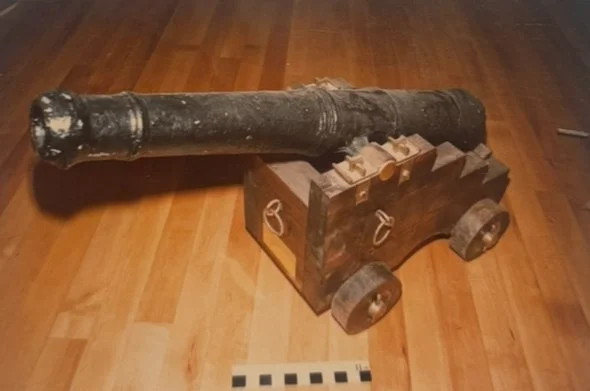
Within this book, you will find both historical and archeological information, as well as photographs and descriptions of the objects recovered between 1971 and 1986. We have cataloged numerous objects that were also identified by several well-known European authors and archeologists.