salamander point CANnONS
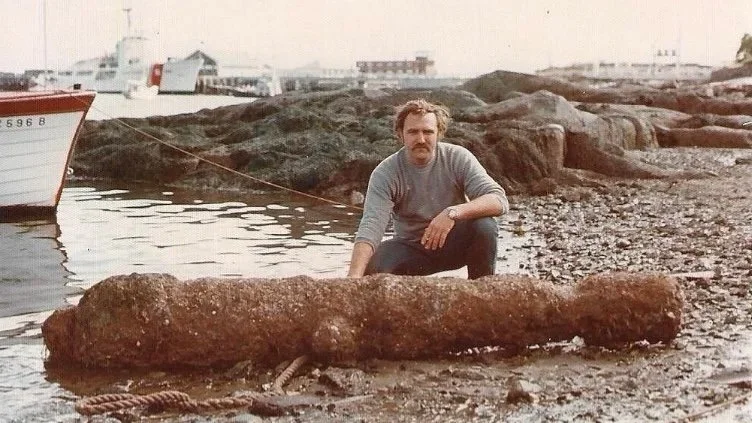
Two English cannons were recovered off Salamander Point at the entrance to Harts Cove, Both cannons appeared to be the early version of the Rose &Crown.
The 18 century guns were long and slender with trunnions centered on the low line of the bore, the larger of the two cannons measured 8' 6" in length with an estimated weight of 2280 lbs, bore diameter 3.668" with 3.48" shot diameter identified as a 6 pounder cannon. The shorter cannon measured 7' 6" in length and weighed 2100lbs. Both cannons fired the same size shot and ball weight using 3lbs of powder per shot with an effective range of one mile.
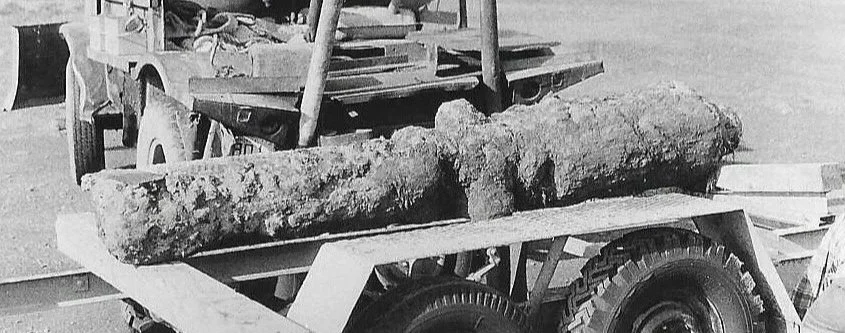
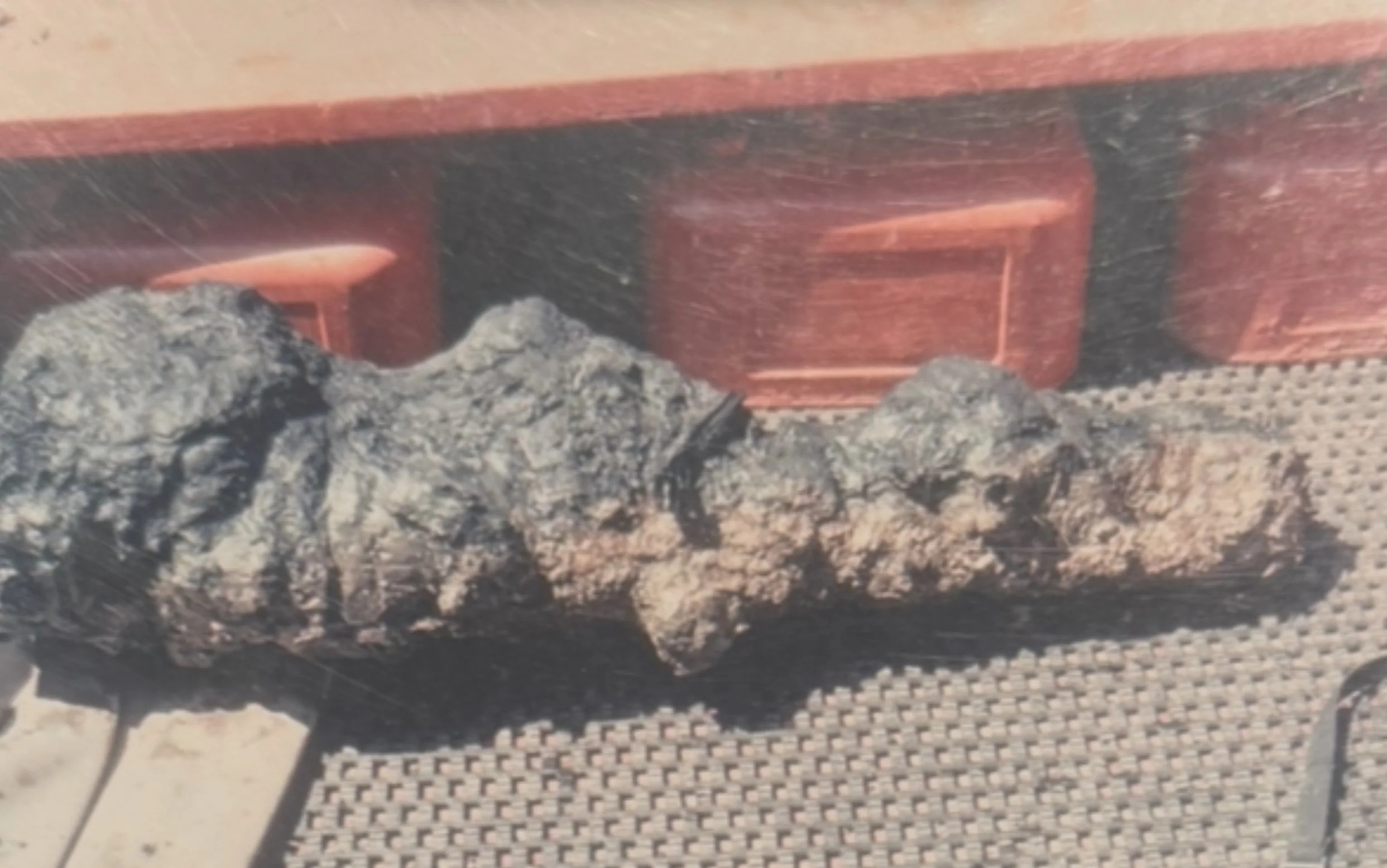
The electrolysis between the sea water and the cannons ferrous mass resulted in a 2" thick rock like encrustation mostly around the cascabel and trunnions.
Unlike brass cannons it was commonly known that any attempt to disturb or remove ancient iron cannons from the sea of this size would require preservation expertise, a process extremely expensive and rarely attempted even by the experts. Without proper preservation an iron cannon exposed to air within 5 years would crumble and turn to dust.
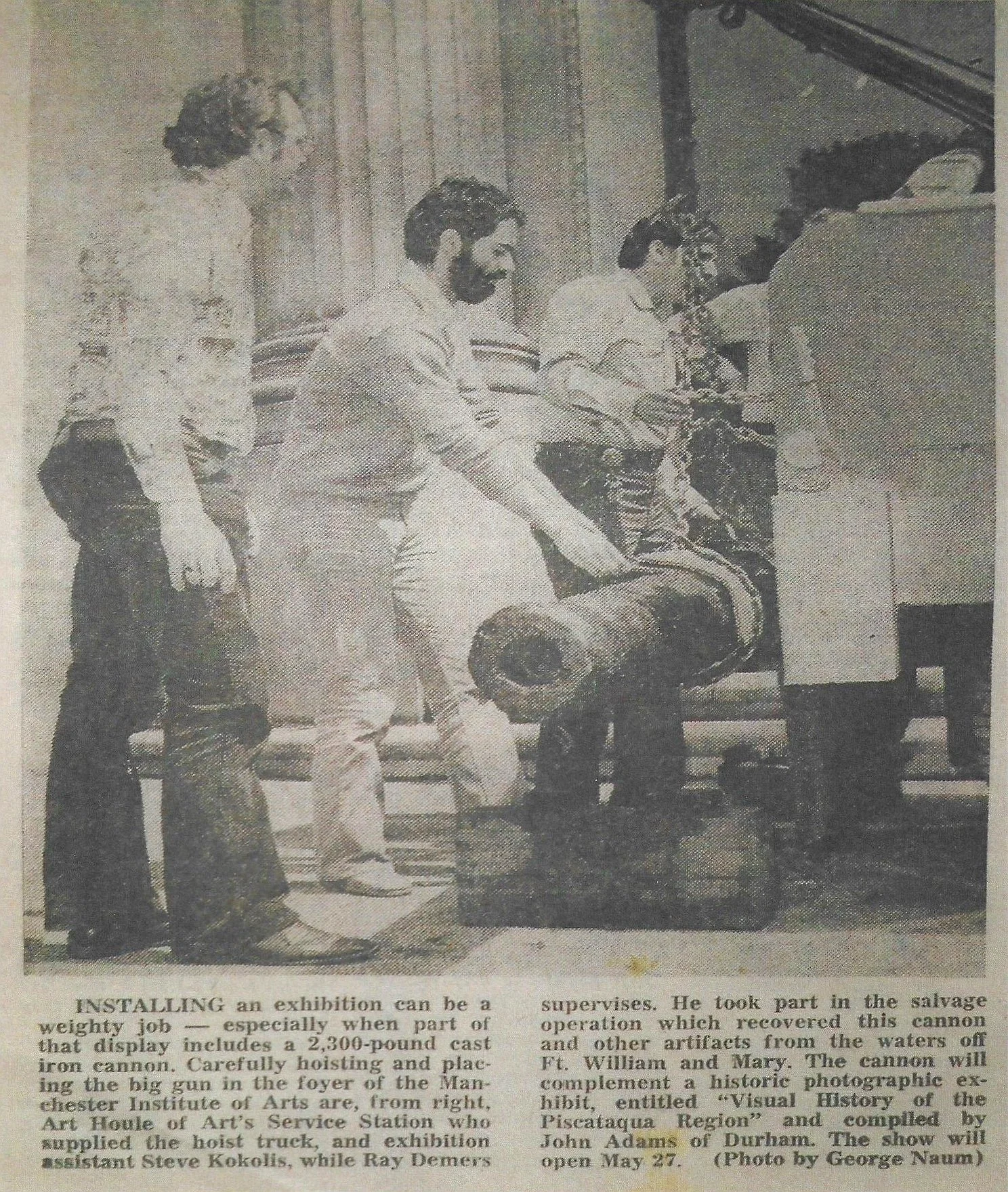
The utilization of the cannons for the dive team became temporarily an icon used as a datum point for plotting and mapping of the related surrounding objects. After several years of maintaining silence of the site location other local divers had stumbled on the cannons and in their uncertainty dragged the cannons to shore. Once known by the dive team the removal of the cannons was followed by an urgent request to obtain ownership in an attempt to accurately measure and identify the gun founders marks prior to expose them to air that would lead to severe oxidation, in time the other divers relinquished ownership back to the dive team.
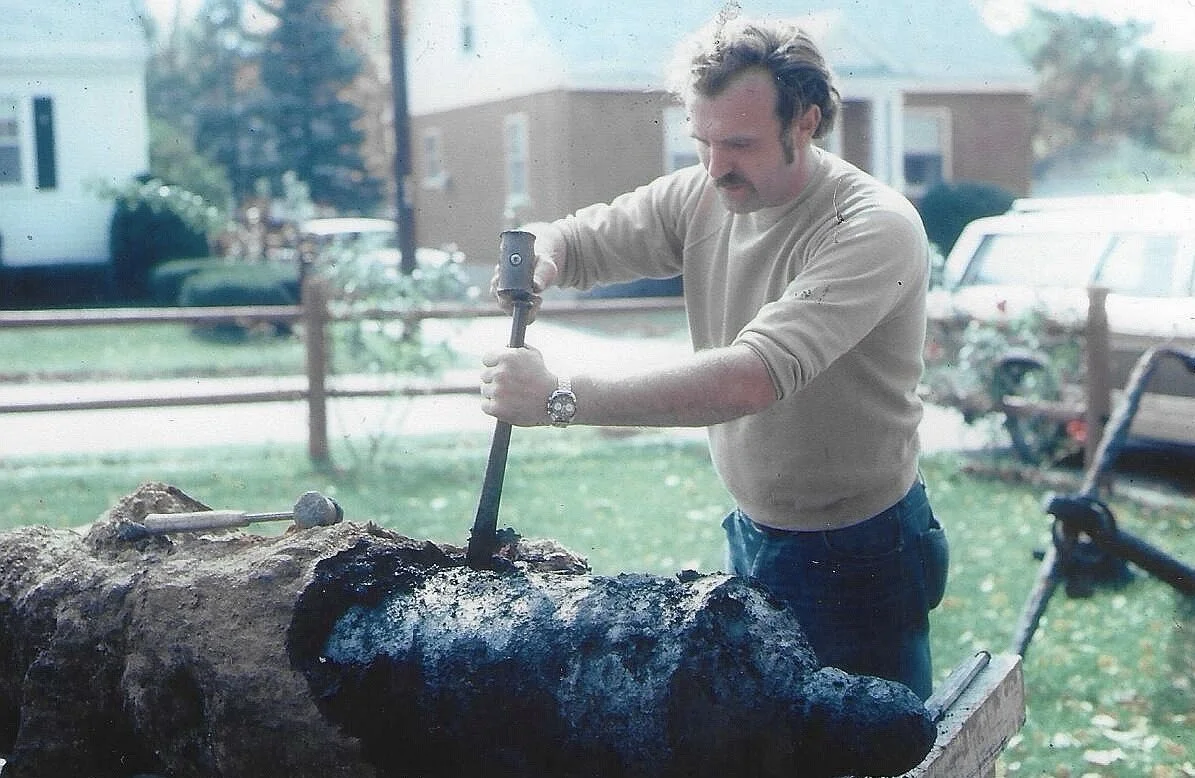
An immediate process of removing the encrustation on the cannons had to be taken. Surprisingly by slightly tapping the protective 2" thick seal was easily removed requiring an oil to be applied on the surface to delay oxidation. The large cannons revealed some integrity of design enough for accurate measurements and photos to be taken. A hand fitted lead sheet with personnel inscriptions covered the breach and vent hole to prevent rain or sea water from entering. A cork tompion sealed the muzzle and amazingly after being submerged nearly three centuries had provided an air tight seal.
Several request were made by the dive team legal advisor to the State
Preservation office in N.H. if any interest in ownership, they declined.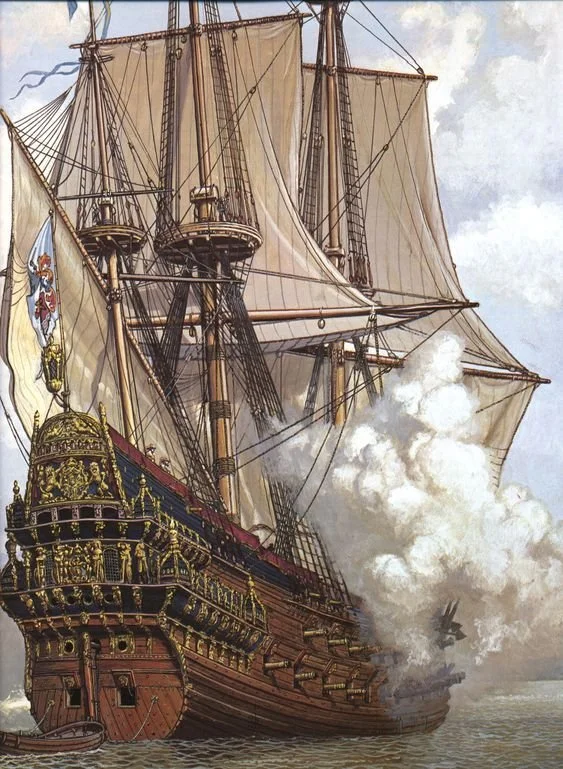
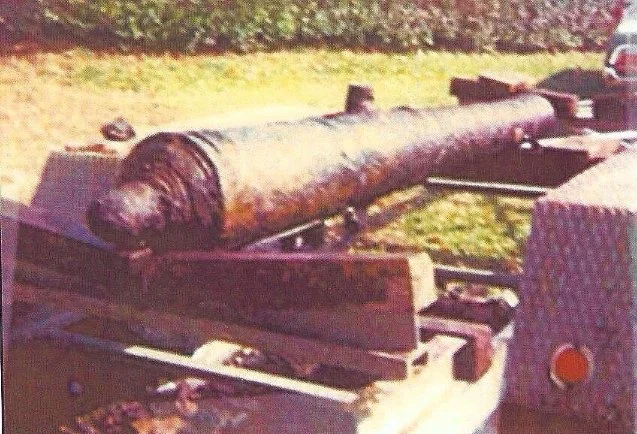
An encrusted swivel gun was recovered off the suspected salvagesite of the HMS Astrea, the gun measured from cascabel to muzzle 40" in length, a breech diameter of 6" with outside muzzle diameter of 3- 3/4" The caliber 1-1/2" and weight 118 lbs.The cannon classified as a 1/2 pounder,had a cork tompion to keepthe bore dry. The style of gun is usually mounted on a pivoting frame attached to the bulwarks of the ship, A gun with a typical round cascabel had a monkey tail for the shooter to hold and aim in firing them. The small caliber was used for anti personnel on deck of an enemy ship and was carried on all types of ships of different nations as late as the 18th century.The shot was varied, the crew could use a 1-1/2" diameter solid iron ball, although round stone, glass, chips of flint rock and small metal was more effective. The cannon was also used as a signal gun,or for ship officers in times of mutiny.On the suspected HMS Astrea site the swivel gun was found a short distance south of a heavy ozidized wooden stock anchor considered by the dive team the as the [ Best Bower] that was never recovered during the salvage that lay broken at the shank in two parts facing North, shoreward.The site did reveal other incendiary projectiles, 3-1/2" diameter 9" long wooden bombs filled within the two halves, thick broken sharp glass taken from bottoms of wine bottles mixed with chips of flint rocks to be used in a 6 pounder.Between the fire and salvage by her crew the swivel gun was probablyknocked off the spike hole or in the process of being transferred to the sweeping boat fell into the mid channel.To preserve the cannon, the encrustation was removed with small taps of a hammer, then placed in a Sodium hydroxide solution for two months, afterwards rinsed and covered with powdered zinc, and coated with a clear lacquer.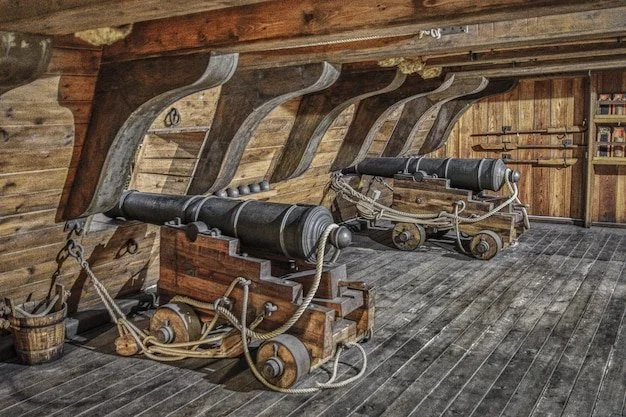
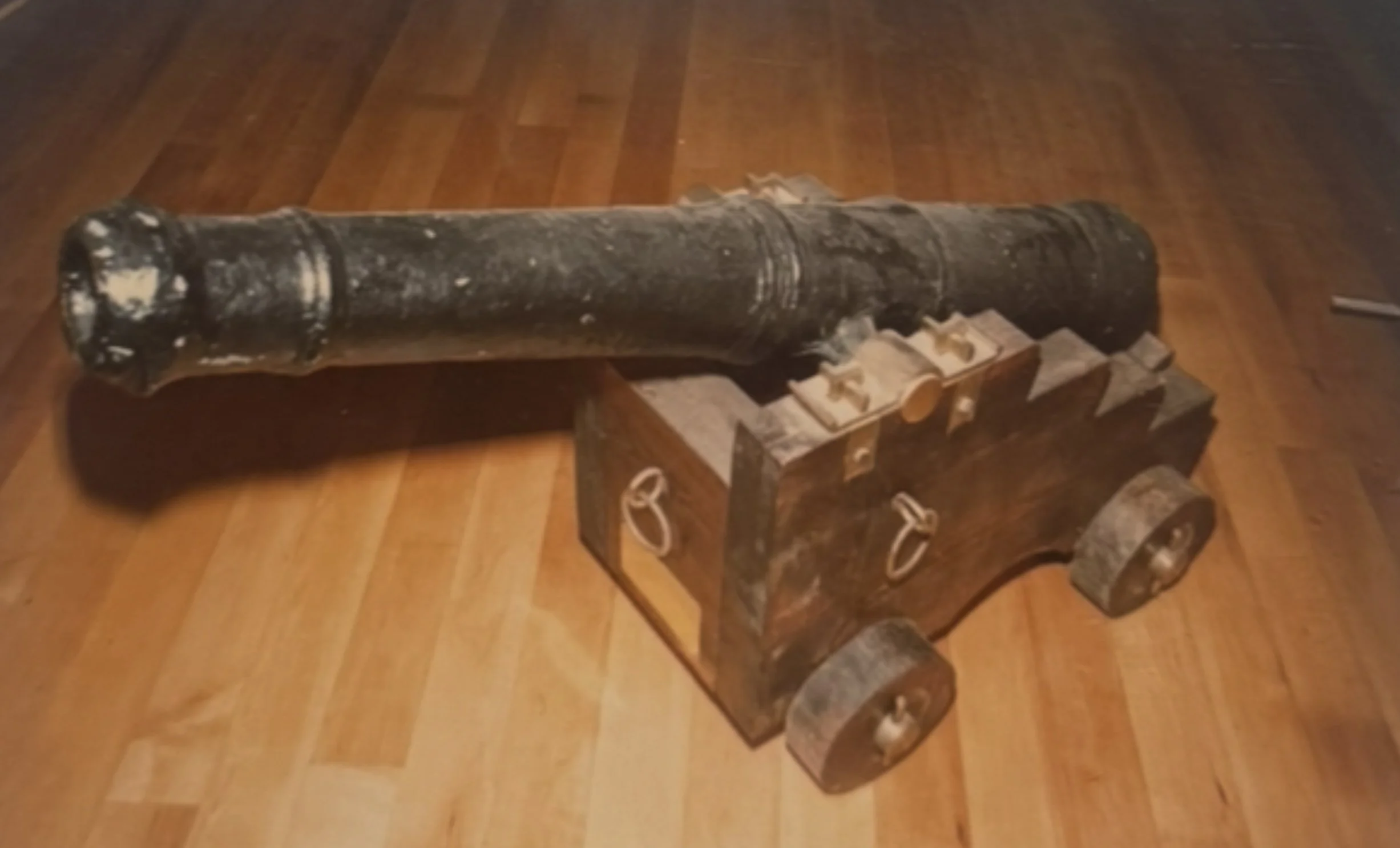
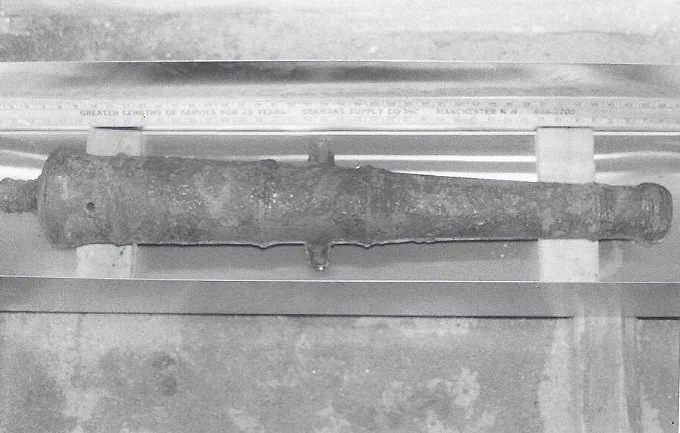
The two cannons discovered just off Salamander Point appeared to be early versions of the Rose and Crown Cannons we had become familiar with through our re-search. The 18th century Cannons were long and slender, centered on the low line of le bore. The larger of the two Cannons measured 8' 6" in length at an estimate eight of 2280 lbs. Its bore diameter was 3.68" and that took a shot diameter of 3.4: which identified it as a 6 pounder.
The shorter cannon measured 7’6” in length and weighed 2100 lbs. Both cannons fired the same size shot and ball weight that required 3 pounds of black powder per shot to be effective at a range of one mile.
Over the span of two hundred and seventy five years, the electrolysis occurring between the sea water and the ferrous mass on both cannons resulted in a build up of a 2 inches of thick cement-like encrustation, thicker around the cascabels and trunnions. Unlike a brass cannon, it was common knowledge that attempts to remove or disturb ancient iron cannons of this size from the seabed would require serious preservation expertise. The process is extremely expensive and rarely attempted, except by experts.                                                                                                                                  Without proper preservation techniques an iron cannon exposed to air could, within a five-year period, rust  and crumble away. Upon and after the discovery of the cannons, we focused on taking more complete measurements and documenting any and all surrounding and perhaps, closely associated objects.                                                   After several years of keeping silent about the sites location, we realized our greatest fear. Other sport divers accidentally stumbled on the cannons and dragged both to shore for picture taking. Once we learned of the cannons being raised and fracturing a 250 year seal, we immediately claimed ownership in hope of delaying the destructive oxidation process. We needed to document the integrity of their design features, for example recording unusual founders markings. Several contacts were made by our representatives with state officials, offering them ownership of the cannons. However, they showed no interest. So we subsequently assumed ownership of the cannons and set off to preserve them as best as we could.                                                              The process involved applying several coatings of heavy motor oil over the 2” thick incrustation, and then afterwards, using a hammer to slightly tap at the encrustation, being careful to ensure the integrity of their design features. No gun founder marks were found on the cannons trunions. It appeared both cannons were originally mounted on the top deck of their parent ship and exposed to the elements, ready for use at a moments notice.                                                                Both muzzles had been sealed with a cork that included lead sheathing tied over the cascabel to seal the ignition hole from rain or sea water.  It was noted that both had lead sheeting etched with marks whose purpose was to identify the assigned crew member for that cannon. Surprisingly, even after being submerged for over 275 years, both cannnons’ inside muzzles had maintained an air tight seal.